
Important Gear for Winter Camping

RV antifreeze and heated hoses
Insulated window covers and thermal curtains
Reflectix
Clear Plastic Film Kits
Thermal Curtains
Extra propane tanks and space heaters
Cold weather makes your propane use shoot up. Your furnace and water heaters run more often, using propane vapor faster than the tank can supply it. A fifth-wheel in very cold areas can empty two 30 lb propane tanks in just one week.
Stay prepared with these tips! Keep a full backup cylinder ready, especially when your main tank hits 1/3 or 1/4 full, and think about getting propane tank heaters for extreme cold ($60-$120). Space heaters work great with your RV’s furnace and help save propane. Electric options include ceramic, infrared, oil-filled and micathermic heaters. A standard electric heater uses about 1500 watts on high, so a 30-amp RV can safely run just one space heater at a time.
Safety and Emergency Checklist
Carbon monoxide detector and fire extinguisher
Winter camping demands a carbon monoxide detector because heaters and furnaces run more often and increase CO risks. Detectors with electrochemical sensors respond fastest in confined spaces like tents and RVs. Standard home CO detectors might not work well as they alarm too high for RV use. Your detector should work in temperatures below 40°F to give you true winter protection.
A dry chemical extinguisher rated for class A, B, and C fires (wood, liquid, and electrical) provides minimum fire protection. You should mount one near your RV entrance and another by the kitchen area so you can reach them fast during emergencies.
First aid kit and emergency blankets
Winter first aid kits need more than simple supplies. You’ll need adhesive bandages, antibacterial ointment, antiseptic wipes, gauze pads, disposable gloves, scissors, thermometer, and elastic wrap bandages. The kit should also include pain relievers, antihistamines, anti-diarrheal medication, and your personal prescriptions.
The SOL Emergency Blanket proves critical in winter survival situations. This lightweight blanket (2.5 ounces) shields you from water and wind while reflecting 90% of your body heat.
Flashlights, batteries, and weather radio
Battery jump starter and backup generator
Clothing and Personal Items
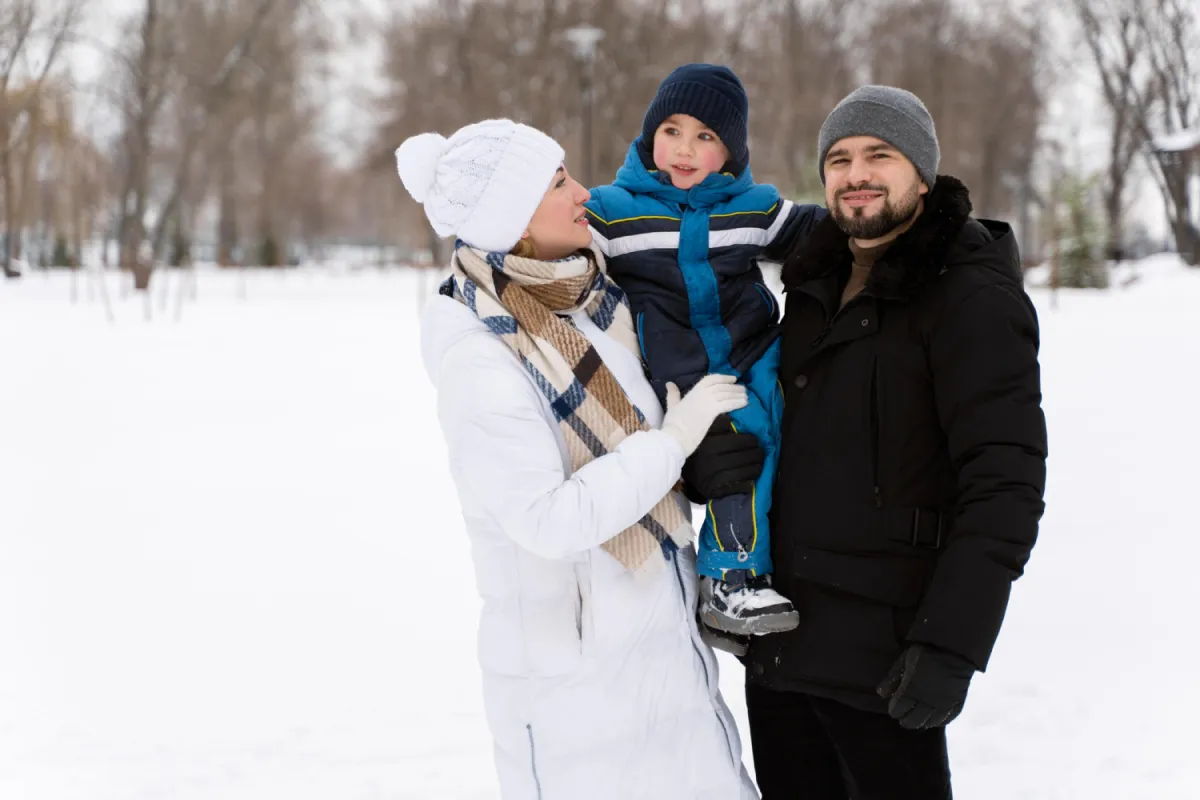
Thermal underwear and waterproof outerwear
Gloves, hats, scarves, and extra socks
Sunscreen and lip balm for winter sun
Toiletries and personal hygiene essentials
Looking For A Place To Stay?
Winter RV Camping FAQs
What important gear do I need for winter RV camping?
Essential gear includes RV antifreeze, heated water hoses, insulated window covers, thermal curtains, extra propane tanks, space heaters, and RV skirting for underbelly insulation. These items help protect your RV’s plumbing system and maintain a comfortable interior temperature.
How can I make sure of my safety during winter camping?
To ensure safety, always carry a carbon monoxide detector, fire extinguisher, comprehensive first aid kit, emergency blankets, flashlights with extra batteries, a weather radio, and a battery jump starter. These items are crucial for addressing potential emergencies in cold weather conditions.
What type of clothing should I pack for winter camping?
Pack thermal underwear, waterproof outerwear, moisture-wicking gloves, insulated hats, warm scarves, and several pairs of thermal socks. Don’t forget sunscreen and lip balm, as UV rays can be intense when reflected off snow.
How much propane should I bring for winter RV camping?
Propane consumption increases significantly in cold weather. Bring at least one extra full cylinder, especially when your main tank reaches the 1/3 or 1/4-full level. In extremely cold areas, a fifth-wheel can use two 30 lb tanks of propane in just one week.
What are the advantages of winter RV camping?
Winter RV camping offers unique advantages such as less crowded campgrounds, serene and peaceful landscapes, and the opportunity to experience nature in a different light. With proper preparation, you can enjoy comfortable camping even in cold weather conditions.